If you or someone you love is looking for inpatient heroin addiction treatment in Ontario, CATC offers structured, CARF-accredited programs designed to support lasting recovery. Whether you’re taking this step for the first time or returning to treatment, compassionate, evidence-based care is available whenever you’re ready.
Heroin addiction is a medical condition, not a personal failing. Our treatment specialists provide personalized care that addresses the physical, emotional, and psychological aspects of addiction across three inpatient centres in Ontario and a flexible virtual program for those who need it.
What Is Inpatient Heroin Addiction Treatment?
Inpatient heroin addiction treatment means living at a treatment facility for the duration of your program, with clinical support available around the clock. It differs from outpatient treatment, where you attend sessions during the day and return home each evening.
For heroin addiction specifically, the residential nature of inpatient care is particularly important. The intensity of physical withdrawal, the severity of cravings, and the risk of overdose after any period of reduced use all mean that many people benefit from the structure, medical supervision, and distance from triggers that inpatient care provides.
Treatment begins with medically supervised detox, followed by a structured program of individual therapy, group therapy, psychiatric support, and skill-building. The goal is to support both physical recovery and the underlying factors that contribute to heroin use, so that recovery is sustainable long after leaving treatment.
The Effects of Heroin Use on Your Body, Mind, and Life
Heroin is a highly addictive opioid with powerful effects on the body and brain. What may start as casual usage can quickly spiral into dependence, with serious short-term and long-term implications for your health. Recognizing these effects is a first step to acknowledging that it’s time to seek professional help.
The Effects of Heroin Use on Your Body, Mind, and Life
Heroin is a highly addictive opioid with powerful effects on the body and brain. What may start as casual usage can quickly spiral into dependence, with serious short-term and long-term implications for your health. Recognizing these effects is a first step to acknowledging that it’s time to seek professional help.
Get Help NowShort-Term Effects of Heroin Use
Heroin binds to opioid receptors in the brain, creating a surge of euphoria followed by intense drowsiness. Just one use can lead to:
- Slowed heart rate and breathing, increasing the risk of overdose
- Nausea, vomiting, and dry mouth
- Mental fog and poor coordination
- Itchy and flushed skin
- Heavy limbs and fatigue
- Reduced inhibition leading to risky behaviours
Repeated short-term use builds tolerance, which means the user needs more of the drug to achieve the same effects, rapidly increasing the risk of overdose.
Long-Term Effects of Heroin Use
Heroin produces long-term changes in brain chemistry and negative impacts on physical health with continued use. Common long-term effects include:
- Withdrawal and physical dependence
- Severe constipation and digestive problems
- Hormonal imbalances and sexual dysfunction
- Increased risk of infectious diseases (HIV, Hepatitis C) through needle use
- Decline in white matter in the brain, which hinders decision-making and memory
- Mental health conditions like crippling anxiety, depression and even psychosis
- Vein collapse and soft tissue infections
- Harm to relationships, work life and financial stability
Over time, heroin use isolates individuals from loved ones and leads to a cycle of shame, secrecy, and self-destructive behaviour. But with the right care program and professional support, recovery is possible.
When to Seek Help: Recognizing the Signs of Heroin Addiction
It can be hard to know exactly when it’s time to get heroin addiction treatment, especially when individuals are trying to manage the problem on their own or hide it from others. But early intervention can help to prevent long-term damage and make recovery more achievable.
Common signs of heroin addiction to watch for:
Physical Symptoms
- Narrow pupils, reddened skin and fatigue
- Sudden weight loss and lack of personal hygiene
- Needle marks, skin infections, or recurrent nosebleeds (from snorting)
- Flu-like symptoms during withdrawal (muscle aches, chills, nausea)

Behavioural and Emotional Changes
- Losing interest in hobbies, socializing or responsibilities
- Frequent deception, secrecy, or vanishing for long periods of time
- Feelings of irritability, moodiness, anxiety or depression
- Risk-taking behaviours or legal trouble
- Financial problems as a result of drug purchases
- Psychological Signs
- Cravings or obsessive thoughts about using
- Feeling unable to function without heroin
- Continuing to use despite the negative consequences
- Unsuccessful attempts to quit or reduce usage
Many heroin users who are struggling with addiction experience a level of shame or denial that keeps them from seeking help in the first place. If you recognize these signs in yourself or a loved one, know that professional support is available and effective. With proper rehab treatment and support systems in place, recovery is not just possible, it’s achievable.
Steps to Starting Treatment
Taking the first step toward heroin addiction treatment in Ontario is always the hardest part, and can feel overwhelming. But it doesn’t have to. At CATC, we make the whole process hassle-free so you can focus on your true goal: recovery.
1. Reach Out for a Confidential Consultation: The first step is to talk with one of our treatment specialists. We will ask a few questions about your situation, answer any concerns, and recommend the best way forward for you based on your specific requirements.
2. Assessment and Care Planning: Next, we do an in-depth assessment of medical history, mental health history, recovery goals, etc. This will allow us to design a personalized care plan that accommodates your individual needs.
3. Detox and Withdrawal Management (if needed): For most patients, beginning with heroin detox is the safest option. CATC provides detox under medical supervision within safe inpatient settings, where staff are trained to understand and care for withdrawal symptoms.
4. Begin Treatment: Then you’ll get started with inpatient rehab, virtual outpatient treatment, or both, depending on your needs and lifestyle. Treatment generally contains individual and group therapy, education sessions, and holistic supports to treat the cause of addiction.
5. Ongoing Support and Aftercare: Recovery doesn’t stop just because you finish your treatment. Our programs include long-term support options such as aftercare groups, Alumni programs, and virtual services to help you maintain progress and prevent relapse.
These steps are designed to create a seamless and empowering transition into recovery.
Medication-Assisted Treatment for Heroin Addiction
Medication-Assisted Treatment (MAT) is the clinical standard for heroin and opioid use disorder. Health Canada-approved medications including methadone, buprenorphine (Suboxone), and naltrexone reduce cravings, manage withdrawal, and significantly reduce the risk of relapse and overdose. These are not substitutes for one substance with another. They are evidence-based medical treatments that support stability and allow people to engage more fully in therapy and recovery.
Heroin Detox and Withdrawal Management
Detoxing from heroin is one of the most challenging components of the entire recovery process, but it’s also one of the most important. Heroin withdrawal symptoms can be felt within hours of last use and may include intense muscle pain, nausea, chills, anxiety and insomnia.
CATC provides clinical, supervised detoxification programs at our inpatient facilities with medical staff available 24 hours a day ensuring that symptoms are managed safely and comfortably. A detox plan is created specifically for you, with your health and substance use history taken into account.
Detox alone is not a treatment for addiction, so we bridge the gap between the two by providing immediate access to the next stage of treatment after withdrawal to make sure there is no interruption in care. This blended approach of safe heroin detox and structured rehab treatment provides the strongest foundation for lasting recovery.
Inpatient Treatment for Heroin Addiction
For individuals that are seeking comprehensive support in an environment free of distraction, live-in heroin treatment provides the most intensive level of care. CATC runs a number of inpatient addiction treatment centres in Ontario, each of which has a medically supervised program offered in a peaceful, home-like environment.
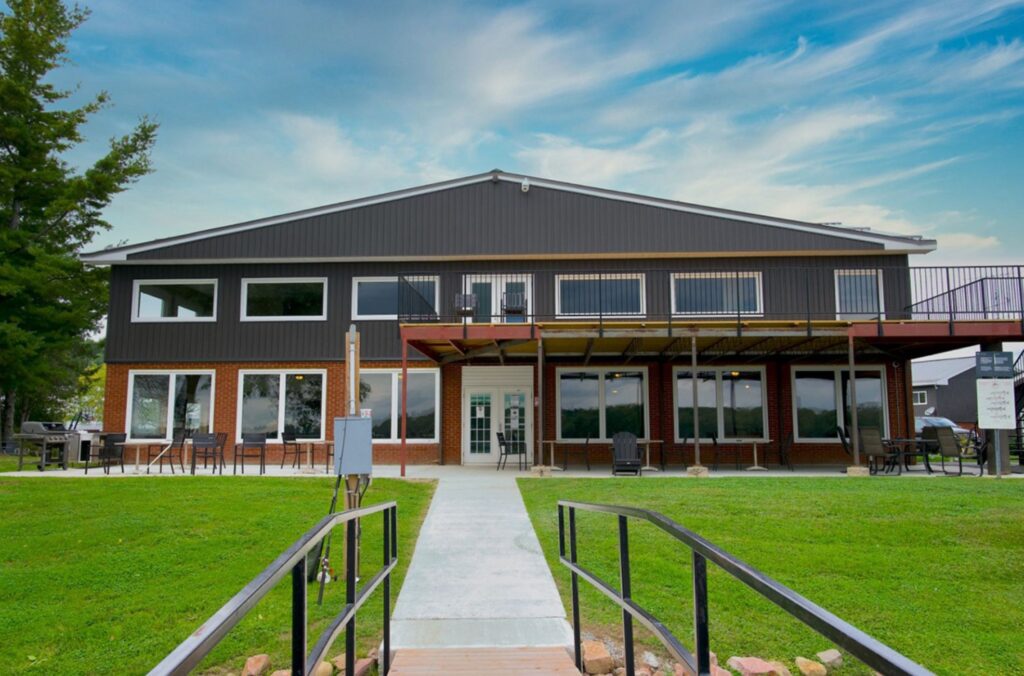
1. GreeneStone Centre for Recovery (Muskoka, ON)
Located on 40 forested acres by Lake Muskoka, GreeneStone Centre is a premier inpatient treatment facility that combines natural beauty with high-class clinical care. Clients can reside in private rooms with en suite bathrooms, attend both individual and group therapy and enjoy holistic wellness services like fitness facilities, yoga and outdoor recreation. The program includes therapy, relapse prevention planning, and peer support.
2. Trafalgar Addiction Treatment Centre (Erin, ON)
Just west of Toronto, Trafalgar Centre is located in a quiet, wooded setting, specializing in inpatient addiction treatment. Clients begin with medically supervised detox, then transition to an inpatient program that includes therapy for co-occurring mental health disorders. The center includes a fitness facility, spacious grounds, and nutritional meals. Consistent care teams and personalized treatment ensure continuity throughout the recovery process.
3. 1000 Islands Addiction Rehab (Mallorytown, ON)
Located on the banks of the St. Lawrence River, 1000 Islands Addiction Rehab offers a combination of tranquil setting and intensive medical care. The facility, with 52-beds and fully integrated detox centre, is a great option for clients in need of structure and distance from their home environment. Therapeutic approaches involve individual and group therapy, art and music therapy, family support, and aftercare planning.
Each inpatient program follows a holistic model that integrates clinical therapies, peer support, and lifestyle coaching to support long-term sobriety.Explore all our inpatient treatment options.