Inpatient Addiction Treatment in Ontario | CARF-Accredited Care | CATC

Inpatient Addiction Treatment in Ontario

Inpatient addiction treatment (often called residential addiction treatment or rehab) provides a safe and comfortable environment that helps people recover from substance use disorder and various other types of addiction.

Explore Your Options Now

Call Now: (855) 937-4949

or

Schedule A Call

If you’re a family member or supporter helping someone start inpatient addiction treatment in Ontario, email connect@canatc.ca to learn how we can help. We’re here for you, too, not just your loved one.

Taking the step toward inpatient addiction treatment in Ontario takes courage. Whether you’re considering this for yourself or someone you love, it helps to know what to expect before you walk through the door.

Inpatient addiction treatment provides a structured, supportive environment where you can focus entirely on recovery. Away from everyday pressures and triggers, you have the space to address the underlying issues contributing to addiction and begin building a life on your own terms.

Our clients receive the highest standard of care from highly trained experts and licensed therapists, from the first steps of medically supervised detoxification through to aftercare. Friends and family also receive support throughout the entire process, so they can play an active role in the recovery process while taking care of themselves along the way.

CATC’s network of inpatient addiction treatment centres across Ontario provides accredited, personalized care for people from all walks of life. Our intake team is available 24 hours a day, whenever you’re ready to talk.

CARF accredited inpatient treatment centres.Accredited addiction treatment in Ontario that meets the highest standards of quality care
All of CATC’s inpatient addiction treatment centres are accredited by CARF International, the recognized standard for excellence in addiction treatment delivery. CARF accreditation means our programs meet rigorous, independently verified standards for clinical quality, safety, and continuous improvement.

Whether you’re seeking treatment for yourself, for a loved one, or referring someone you support as a professional, you can be confident that CATC’s inpatient and virtual intensive outpatient programs meet the highest standards of care.

Trafalgar Addiction Treatment Centres

Erin

5483 Trafalgar Rd, Erin, ON N0B 1T0, Canada

GreeneStone Centre for Recovery

Bala

3571 Muskoka District Road 169, Bala, ON, Canada

1000 Islands Addiction Rehab & Treatment Centre

Mallorytown

853 1000 Islands Pkwy, Mallorytown, ON K0E 1R0, Canada

98% of our clients say their lives improved after treatment

Get Help Now


GreeneStone Centre for Recovery

Trafalgar Addiction Treatment Centre


Photo Gallery

inpatient impact infographic

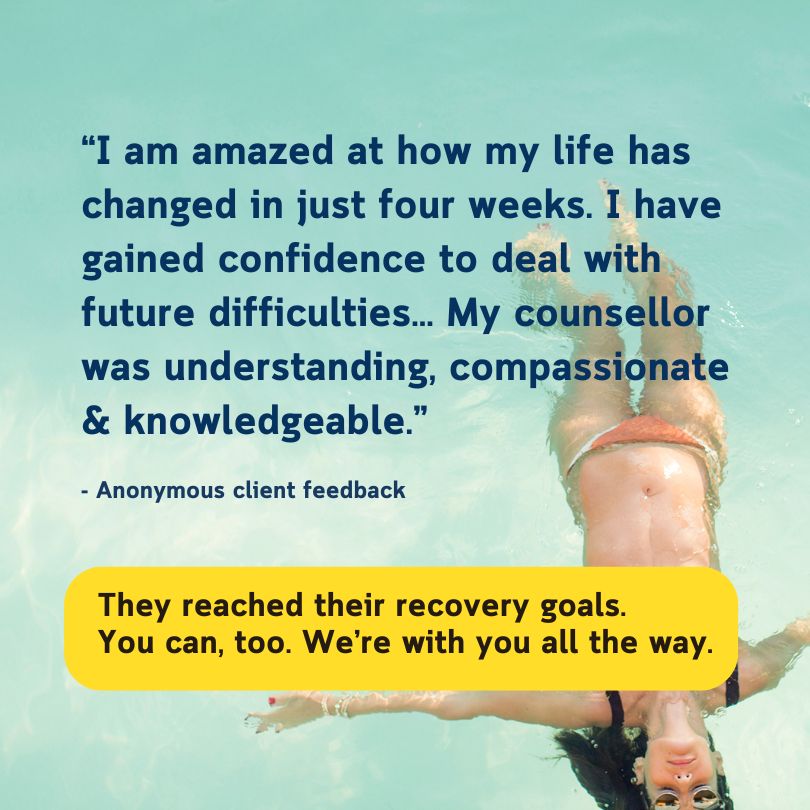
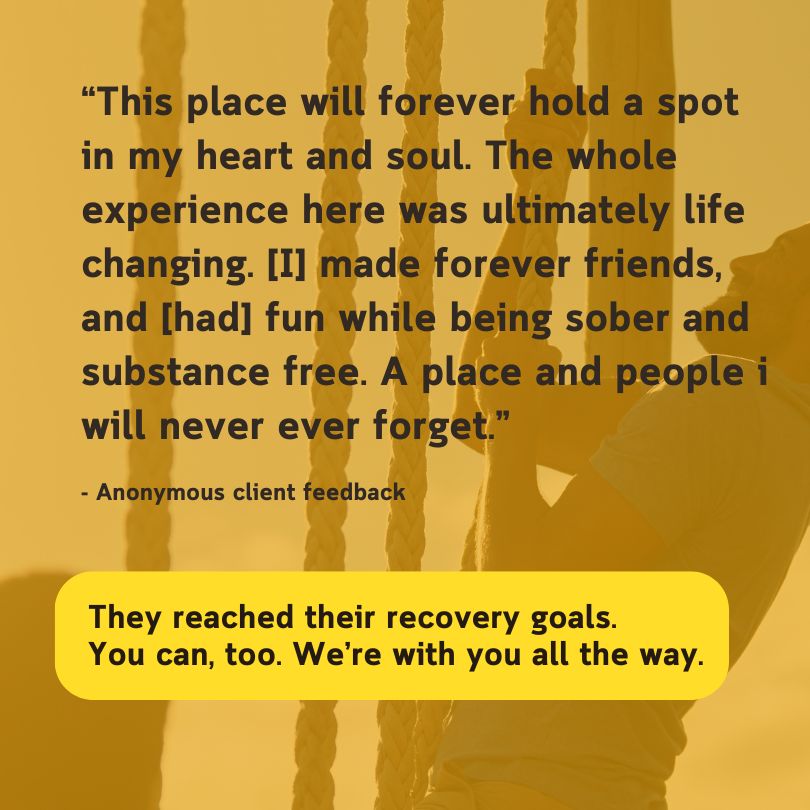
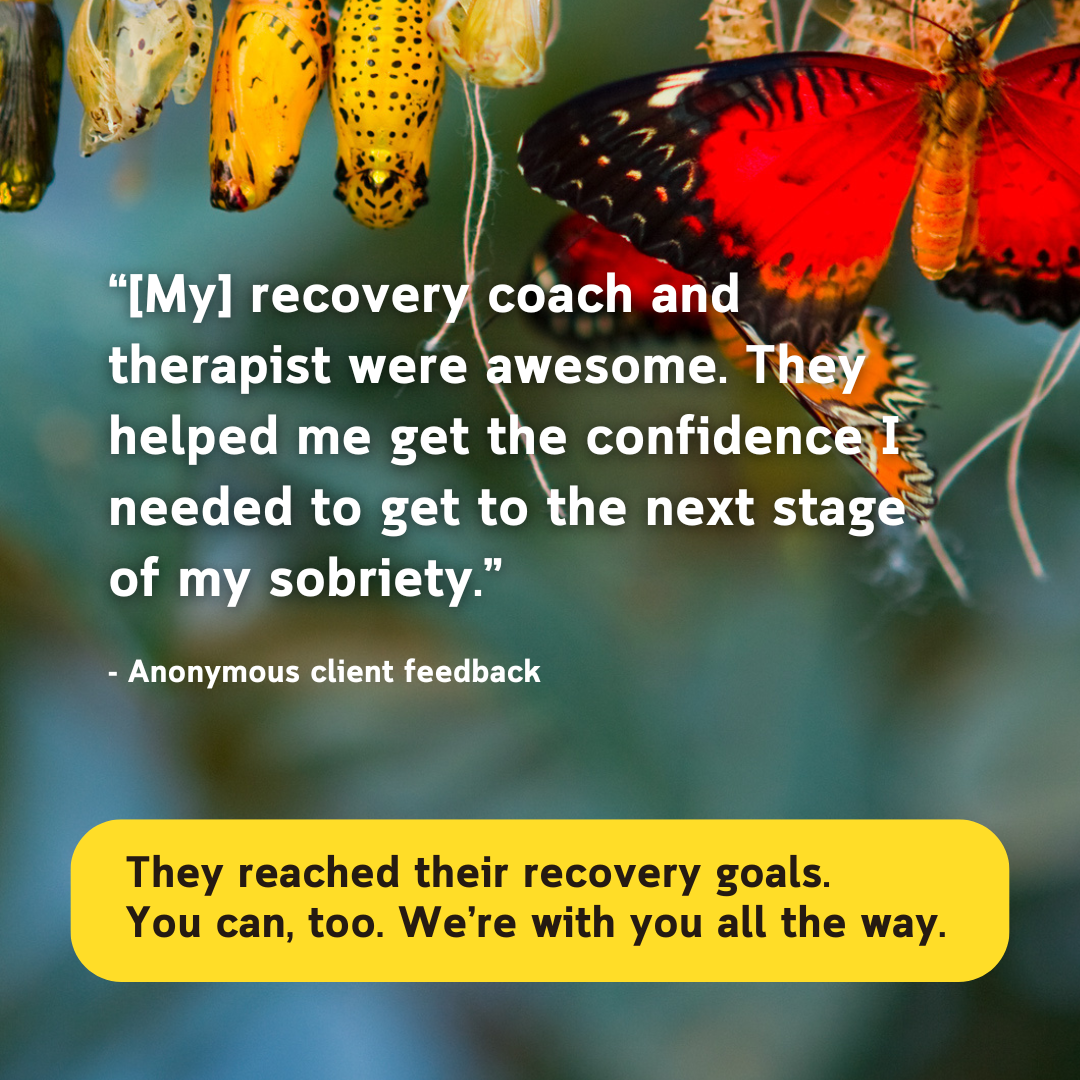
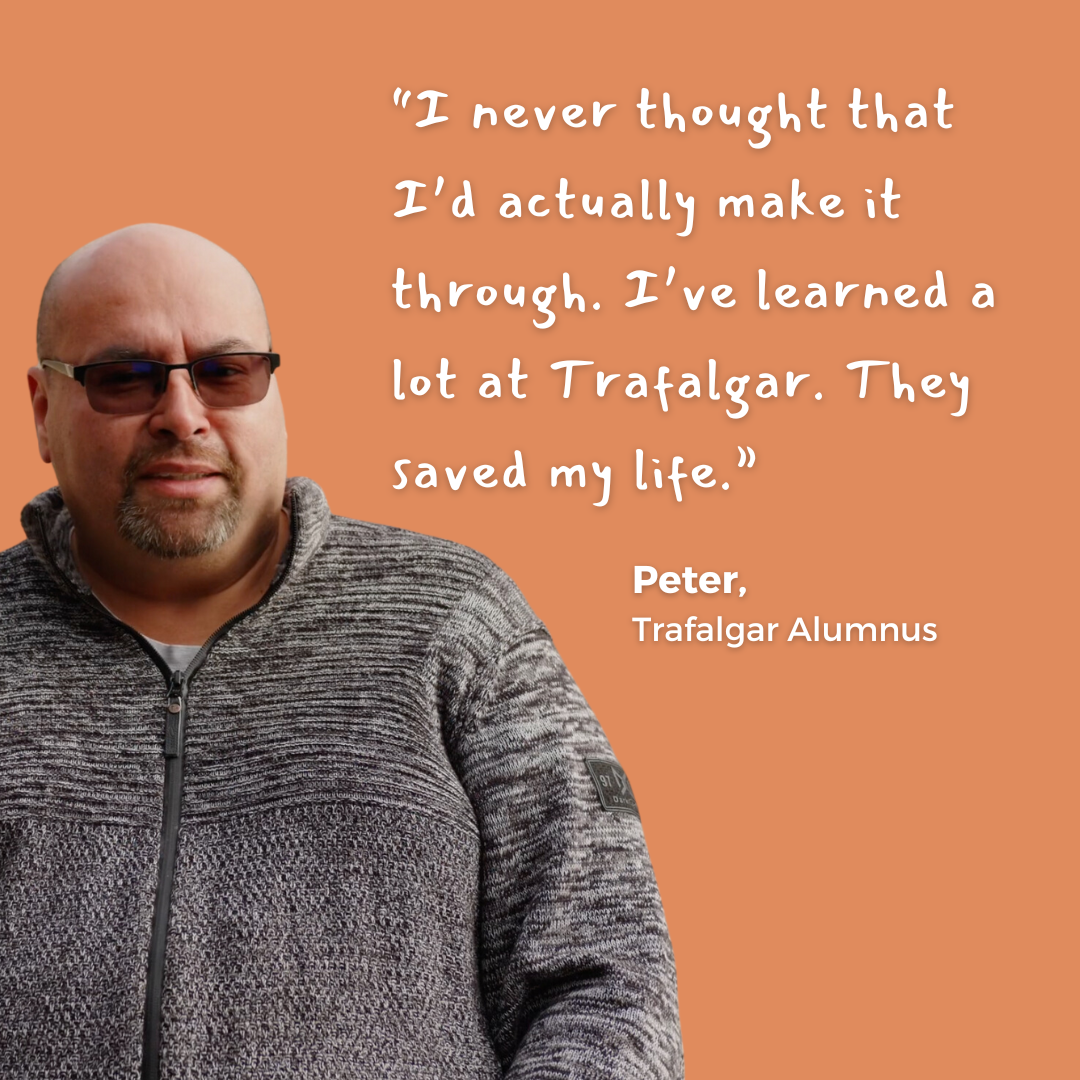
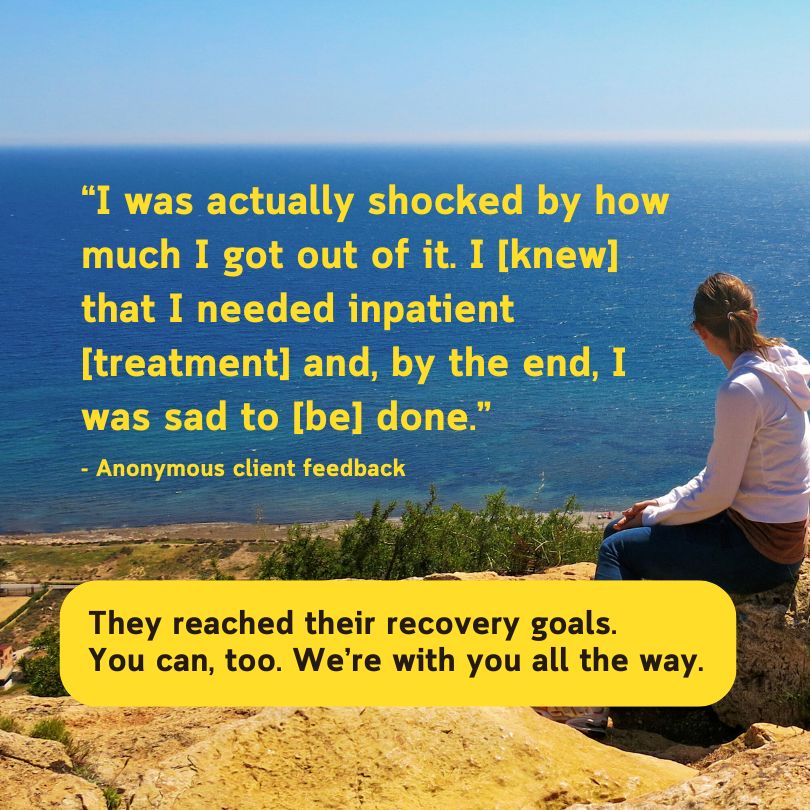
Client Feedback

Client-feedback-6
Client-feedback-5
Client-feedback-4
Trafalgar Alumnus
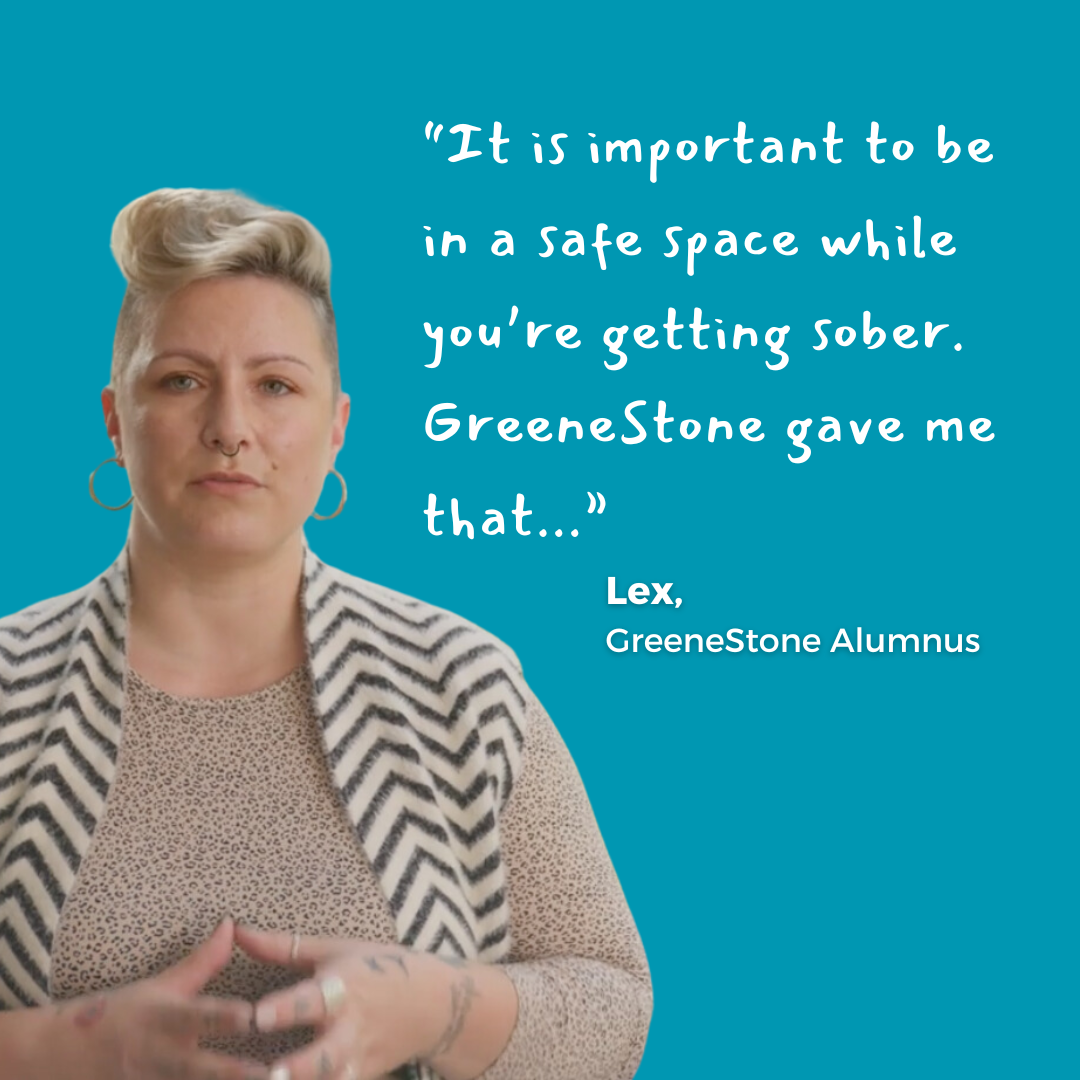
GreeneStone Alumnus

What Is Inpatient Addiction Treatment?

Inpatient addiction treatment in Ontario means living at a treatment facility for the duration of your program, with clinical support available around the clock. It differs from outpatient treatment, where you attend sessions during the day and return home each evening.
The residential nature of inpatient care is one of its most important features. Being in a structured, substance-free environment removes the everyday triggers and stressors that make early recovery so difficult. It also means clinical support is available whenever you need it, not just during scheduled appointments.

Treatment typically begins with medically supervised detox where needed, followed by a structured program of individual therapy, group therapy, psychiatric support, and skill-building. The goal is to support both physical recovery and the underlying factors that contribute to addiction, so that recovery lasts well beyond your time in treatment.

Who Is Inpatient Treatment Right For?

Inpatient treatment tends to be most appropriate when outpatient support hasn’t been sufficient, when the home environment makes early recovery difficult, when medical supervision is needed during detox, or when the severity of substance use requires more intensive, structured care.

It is also a strong option for people managing co-occurring mental health concerns alongside addiction. Having a psychiatric assessment and support as part of a residential program means both issues can be addressed together rather than separately.

You don’t need to be in crisis to consider inpatient treatment. Many people choose it because they want the best possible start to their recovery, in an environment built specifically for that purpose. If you’re unsure whether inpatient is the right fit, our intake team can help you think it through, confidentially and without pressure.

Inpatient Treatment Services We Offer

Our inpatient facilities meet the highest bar of quality standards, offering everything you need to live the life you deserve, with dignity and respect.

Medically-Supervised Detox

  • For many people, the first step in addiction treatment is detoxing safely. Depending on the substance and length of use, withdrawal can range from uncomfortable to medically serious, which is why professional supervision matters. Our medically trained teams monitor you throughout the process, managing symptoms and ensuring your safety and comfort at every stage.

Individualized Treatment Plans

  • Addiction affects everyone differently, and a plan that works for one person may not work for another. Before your program begins, our clinical team completes a thorough assessment covering your medical history, mental health, substance use patterns, and personal circumstances. From there, a treatment plan is built specifically around your needs and goals.

Psychiatric Assessment

  • Addiction and mental health are closely connected. Many people seeking treatment are also managing anxiety, depression, trauma, or other mental health concerns that have contributed to or been worsened by substance use. Our psychiatric assessments help identify these issues clearly so they can be addressed as part of your treatment, not as an afterthought.

Support for Co-Occurring Disorders

  • Addressing co-occurring mental health challenges alongside addiction is a central part of inpatient treatment at CATC, not an add-on. Our clinical teams are experienced in supporting people through trauma, mood disorders, and other conditions in a safe and structured environment. Treating both together leads to more sustainable outcomes than addressing either in isolation.

Individual Therapy

  • One-on-one sessions with a fully licensed, Masters-level therapist give you a dedicated space to work through the personal factors underlying your addiction. Individual therapy allows for the depth and honesty that aren't always possible in a group setting. Sessions are tailored to your treatment plan and build on one another throughout your stay.

Group Therapy

  • Connecting with others who share your experiences is a meaningful part of recovery. Group therapy sessions provide a supported space to share, listen, and learn from people who understand what you're going through. Many people find that the relationships built in group therapy become an important part of their support network long after treatment ends.

Family Communication Sessions

  • Addiction affects the whole family, not just the person in treatment. Family communication sessions focus on rebuilding trust and improving the way family members talk to and support one another. These sessions are structured and facilitated by a clinician, providing a safe environment for conversations that can be difficult to have outside of treatment.

Family Support Program

  • Weekly educational sessions are available for the family members, friends, and support persons of clients in our care. These sessions cover topics designed to help loved ones understand addiction, set healthy boundaries, and develop the skills needed to support recovery at home. Family involvement is one of the strongest factors in long-term recovery outcomes.

Wellness Activities

  • Physical well-being is an important part of recovery. Our programs include nourishing meals, structured exercise, and access to outdoor activities, all designed to support your body and mind during treatment. These are part of how we approach whole-person care, helping you rebuild physical health and develop sustainable habits that carry forward beyond treatment.

Skill-Building Workshops

  • Recovery means learning new ways to manage life's challenges without falling back on addictive behaviours. Our skill-building workshops cover practical coping strategies, stress management, communication, and relapse prevention. These workshops are grounded in evidence-based approaches and tailored to the group's needs, giving you tools you can use immediately and long after leaving.

Aftercare

  • Recovery doesn't end when you complete your inpatient program. Leaving is a milestone, and you'll have a support structure in place before you go.

Alumni Program

  • Graduates from our programs join our alumni community, staying connected to ongoing support, resources, and alumni meetings. Your clinical team will also work with you to build a continuing care plan before discharge, including local therapy connections and clear next steps.

Support for Families During Treatment

If someone you love is in treatment, you may be wondering what your role looks like and how you can help. Being involved matters. Family support is one of the most significant factors in long-term recovery, and we make it as easy as possible for families to stay connected in a healthy way throughout the process.

Our Family Support Program runs weekly and is designed specifically for the people in a client’s life. You’ll learn about addiction, how to communicate in ways that support rather than strain recovery, and how to take care of your own wellbeing through what can be a difficult time.

If you’re supporting someone who hasn’t yet entered treatment, we can help with that too. Our intake team regularly speaks with family members who are trying to understand their options and figure out the best way to approach the conversation. Reach out confidentially at any time.

100% Virtual Recovery Program

For many people, committing to a full-time residential program isn’t immediately possible. Schedule and cost can be real barriers, and not everyone has adequate insurance coverage for residential care.

CATC’s proprietary Virtual Program provides an accessible alternative to in-person recovery. Built upon our CARF-accredited inpatient approach to care, clients can take the program in real-time with peers or independently on their own schedule.

Our program runs on an encrypted telehealth platform that meets requirements under the Personal Health Information Protection Act (PHIPA), the Personal Information Protection and Electronic Documents Act (PIPEDA) and all equivalent personal health information protection legislation in Canada.

Life After Inpatient Treatment

Completing an inpatient program is a significant achievement and a genuine turning point. It’s also a beginning. The work you do during treatment creates a foundation, and what happens after matters just as much as the program itself.

Before you leave, your clinical team will work with you to build a continuing care plan. This includes identifying therapists or support groups in your area, connecting you with CATC’s alumni community, and creating a clear relapse prevention strategy built around your specific circumstances.

For those stepping down after residential care or who aren’t ready for full inpatient treatment, CATC also offers a virtual intensive outpatient program, built on our CARF-accredited approach and available on your schedule.

To date, nearly 2,500 people have completed the program.

Learn About Online Addiction Treatment

Talk to Our Intake Team

You don’t have to have everything figured out before you reach out. Our intake team is available 24 hours a day for a confidential conversation about your situation and your options. There’s no pressure and no obligation, just an honest conversation about what support can look like for you. When you’re ready, we can move quickly.

Frequently Asked Questions

How long does inpatient addiction treatment take?
The length of a program varies depending on individual need, the substance involved, and clinical progress. Programs typically range from 30 to 90 days, though some people benefit from a longer stay. Your treatment team will work with you to determine the right duration based on your situation, not a fixed calendar. 

Is inpatient addiction treatment covered by insurance in Ontario?
Many private insurance plans cover inpatient addiction treatment. Coverage varies by plan and provider. Our intake team can help you verify your benefits confidentially before you make any decisions, so you have a clear picture of your options.

What should I bring to inpatient treatment?
Our intake team will provide you with a complete packing list upon confirmation of your admission. In general, comfortable clothing, personal toiletries, any prescribed medications, and a form of identification are a good starting point. We will make sure you know exactly what to bring before you arrive.

Can my family visit during inpatient treatment?
Family involvement is an important part of the recovery process. Visits are welcomed in a structured way that supports your treatment. Our team will walk you through the visit policy when you begin your program. Family members are also encouraged to participate in our weekly Family Support Program throughout your loved one’s stay. 

What happens after I leave inpatient treatment?
Aftercare planning begins before you’re discharged. Your clinical team will help you build a continuing care plan that includes local therapy connections, participation in the alumni program, and a relapse-prevention strategy tailored to your life. You’ll also have ongoing access to CATC’s alumni community for support after you leave.

What is the difference between inpatient and outpatient addiction treatment?
Inpatient treatment means living at the facility for the duration of your program, with clinical support available around the clock. Outpatient treatment means attending scheduled sessions while continuing to live at home. Inpatient care is most appropriate when a higher level of structure and supervision is needed. Our intake team can help you understand which level of care is the best fit for your situation.

This page is for informational purposes and is not medical advice. Please speak with a qualified healthcare professional for personalized guidance about your situation.